Understanding “rape culture” in Bangladesh, India & Pakistan
Aadi Foundation’s own summary of a developing story. Read the original report at Atlantic Council ↗
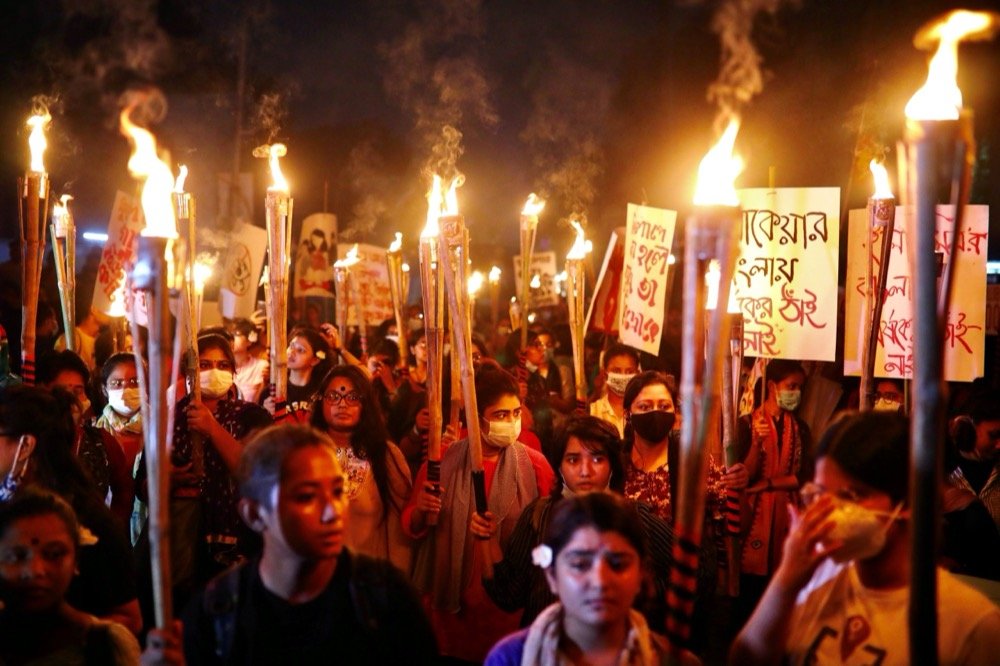
Across Bangladesh, India and Pakistan, high-profile assaults periodically provoke national outrage, yet the underlying conditions that enable sexual violence tend to persist. Analysts describe these conditions as a rape culture: a web of social attitudes, legal gaps and cultural habits that normalises the abuse of women and shifts blame onto survivors rather than perpetrators.
Blame, stigma and silence
A recurring feature of this culture is the way survivors, rather than attackers, are held responsible. Public figures have at times suggested that women invite assault through their clothing or behaviour, while others deflect attention onto influences like pornography. The effect is to stigmatise victims, who may then stay silent for fear of lifelong shame brought upon themselves and their families. That stigma is a major reason so many cases go unreported, which in turn allows perpetrators to act without consequence.
Popular culture can reinforce these attitudes. Critics point to films and songs that objectify women or romanticise aggressive male pursuit, arguing that such portrayals subtly normalise the idea of women as objects for male consumption rather than as full persons with agency.
Laws that lag behind
Legal systems across the region often carry the imprint of outdated, colonial-era definitions. In some countries rape has been defined narrowly, excluding many forms of assault, and marital rape remains legal in parts of the region despite being criminalised elsewhere. High-profile cases have shown how perpetrators from dominant social groups can benefit from institutional protection, with complaints ignored or evidence compromised, while victims from marginalised communities struggle to be heard.
The analysis is also sceptical of responses that look tough but change little. Introducing the death penalty for rape, for instance, can serve as a cosmetic gesture that satisfies public anger without addressing the social and institutional roots of the problem, or improving the odds that a given survivor actually receives justice.
Why it matters
Naming a rape culture matters because it moves the conversation beyond individual criminals to the shared environment that produces and excuses them. If victim-blaming, weak laws and cultural normalisation are the soil in which violence grows, then real change requires tending that soil: expanding legal definitions, protecting witnesses, reforming how media portrays women, and teaching young people about consent and equality. Outrage after each shocking case is understandable, but on its own it fades. Dismantling the everyday attitudes and structures that sustain violence is the slower, more demanding work that genuine progress depends on.
Original reporting
Atlantic Council — read the full report
Aadi Foundation Newsroom
Curated and summarised by Aadi Foundation, a youth-led NGO raising awareness on the issues shaping India and the world. Learn about our work →
Turn awareness into action
Support our work, or start something of your own.
