West Bengal on the boil after 11-year-old raped and drowned in Baruipur
Aadi Foundation’s own summary of a developing story. Read the original report at BBC ↗
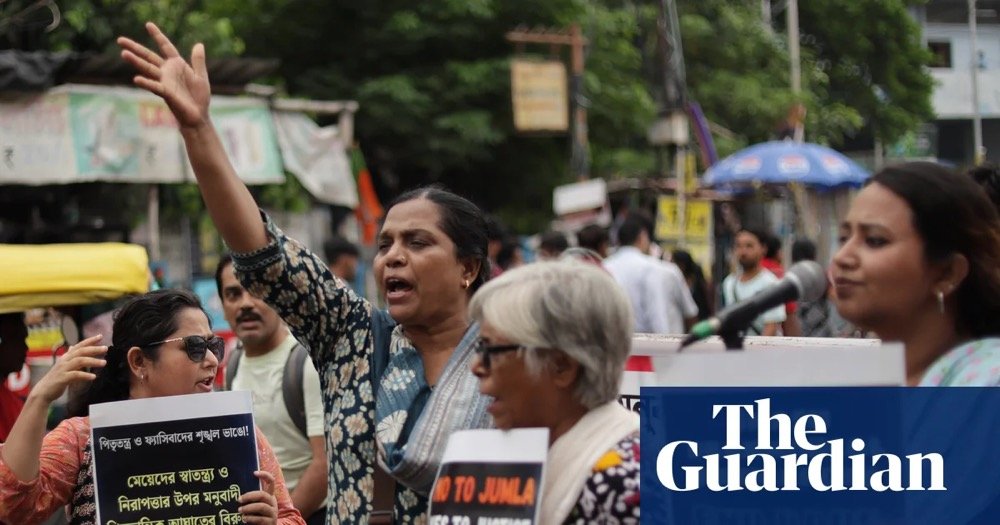
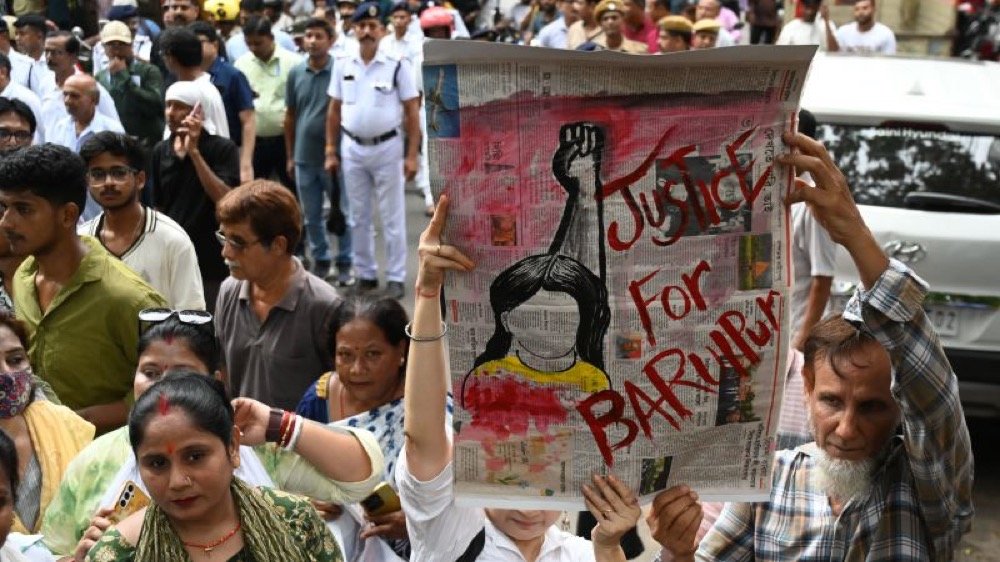
The eastern Indian state of West Bengal has been gripped by grief and unrest after an 11-year-old girl was raped and killed in Baruipur, a town on the edge of Kolkata. Her body was recovered from a village pond, a day after her family had reported her missing, and the case has since spiralled into days of protest, mob violence and a bitter political confrontation.
What is known about the case
According to her relatives, the girl had left home on a Saturday afternoon to buy a birthday present for a friend and did not return. When hours passed with no sign of her, the family went to the local police station late that evening to ask for help. They say officers did not treat the matter with urgency and suggested they would look into it the following day.
Unwilling to wait, the family and neighbours began checking CCTV footage from shops in the area themselves. The recordings appeared to show the child walking alongside a local man. A crowd later confronted him at his home, detained him and handed him over to the police. A short time afterwards, her body was pulled from a pond. A post-mortem examination reportedly recorded drowning as the cause of death, and investigators added charges under the Pocso Act, the country's law against child sexual abuse.
Anger, violence and a police killing
The discovery of the body unleashed public fury. Crowds blocked roads and damaged shops and a railway station, and in the chaos an uninvolved man was beaten to death by a mob. The chief minister later stated that this man was innocent. Police officers were hurt and vehicles wrecked as authorities struggled to restore calm; several cases were registered and dozens of people detained.
Days later, the chief suspect died in what police described as an encounter. Officers said he had been taken to the pond to help reconstruct events when he tried to seize a weapon and opened fire, prompting them to shoot back. Rights groups and opposition figures questioned this account, noting that similar explanations have accompanied police killings elsewhere in the country and warning that such deaths bypass the rule of law.
Why it matters
This tragedy sits at the intersection of several failures: a delayed police response, a community left to investigate on its own, and violence that claimed a second, innocent life. The case has also acquired a charged political and communal dimension, with parties trading blame and heavy security deployed to keep order. Above all, it is a reminder that protecting children and women demands more than outrage after the fact. It requires police who respond promptly to a missing child, investigations that command public trust, and justice delivered through due process rather than the street or the encounter.
Original reporting
BBC — read the full report
Aadi Foundation Newsroom
Curated and summarised by Aadi Foundation, a youth-led NGO raising awareness on the issues shaping India and the world. Learn about our work →
Turn awareness into action
Support our work, or start something of your own.