Developing countries spend more repaying foreign debt than on education, UN reveals
Aadi Foundation’s own summary of a developing story. Read the original report at The Guardian ↗
Most developing countries spent more last year on servicing foreign debt than on educating their children, according to new analysis from the UN, which warned that the picture is likely to worsen as global aid to education falls. The findings point to a widening gap between the resources poorer nations owe to creditors and the money available for schools, teachers and learning.
Debt outweighing classrooms
The research, from the UN's culture and education agency, found that 113 developing countries spent more on foreign debt repayments than on education in 2025. In sub-Saharan Africa, spending on debt was around 3.6 times higher than spending on education. Among the most heavily indebted nations, 18 spent roughly five times as much on debt as on schooling.
A separate campaign group cited in the analysis said repayments by poorer countries reached their highest level in decades, with dozens of nations directing close to a fifth of total government revenue toward servicing loans. Analysts attributed the surge to a series of shocks, including the pandemic, rising energy prices, higher interest rates and climate-related disasters.
Aid cuts deepen the strain
The agency cautioned that funding reductions are compounding the problem. Low- and lower-middle-income countries have already lost roughly a fifth of the education aid they received in 2023 and could lose up to 30% by 2027. Cuts by donors in the US and Europe contributed to a drop in education funding recorded in 2024, with further declines expected.
Officials warned that the combined effect of debt servicing and shrinking aid has disrupted school systems, leaving some schools underfunded and some teachers unpaid. There is longer-term concern that weakened education undermines the very economic growth that would help countries manage their debts. The agency and campaigners called for debt relief to shift toward longer-term arrangements.
Why it matters
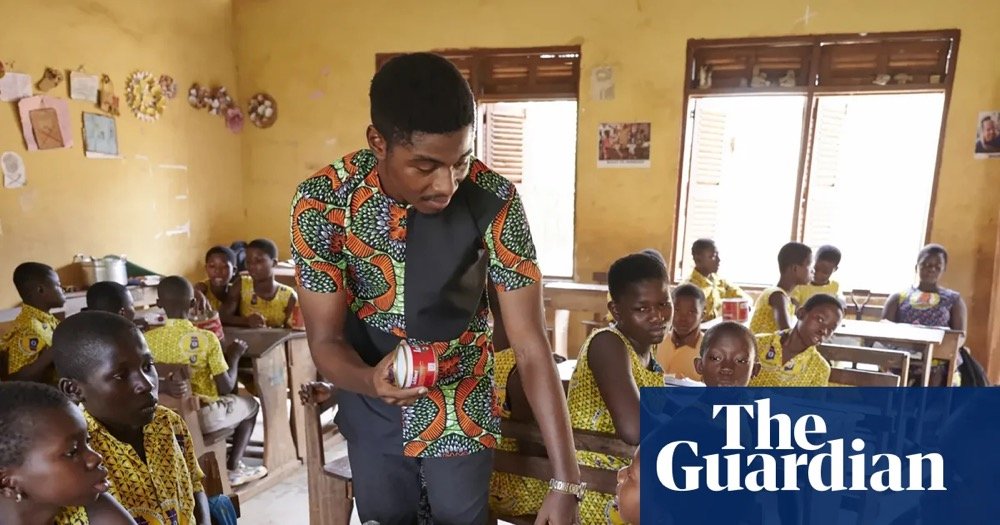
Education is one of the most powerful tools for lifting communities out of poverty, yet the report shows how debt burdens and falling aid can force governments to shortchange the next generation. For organisations working on children's rights and development, the findings underline how financial pressures far from the classroom can directly determine whether a child has a functioning school to attend.
Original reporting
The Guardian — read the full report
Aadi Foundation Newsroom
Curated and summarised by Aadi Foundation, a youth-led NGO raising awareness on the issues shaping India and the world. Learn about our work →
Turn awareness into action
Support our work, or start something of your own.