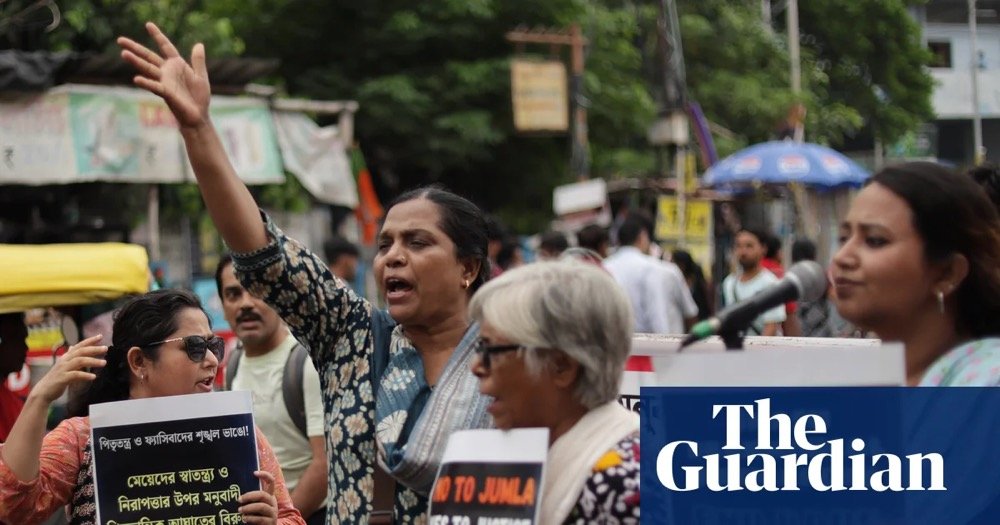
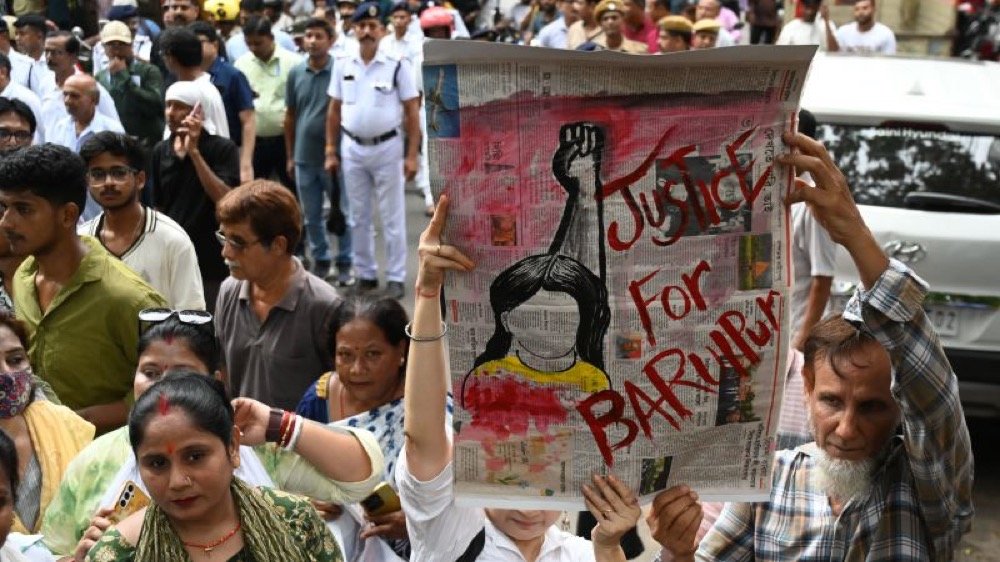
Dowry murders in India no longer spark public anger or debate, study finds
Aadi Foundation’s own summary of a developing story. Read the original report at The Guardian ↗
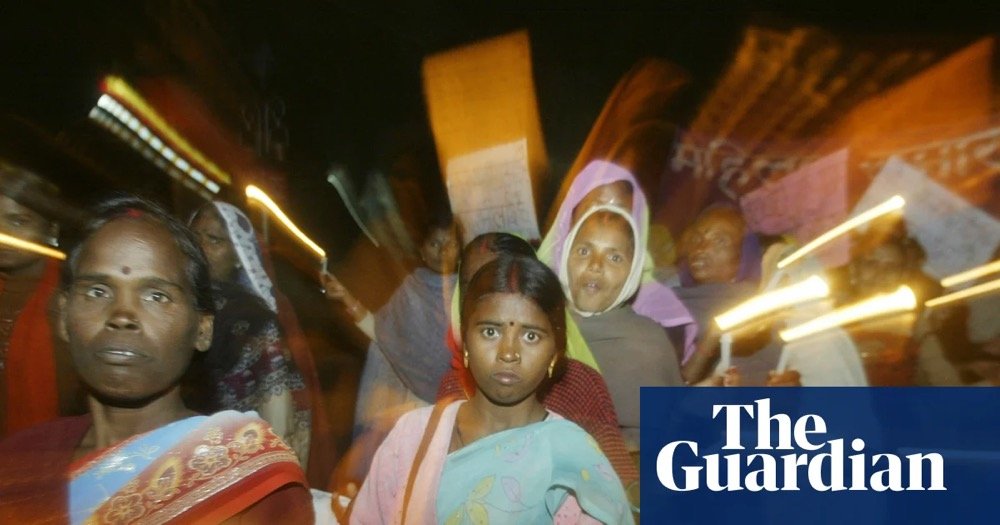
A new academic study argues that the killing of women over dowry demands in India, once a rallying point for mass feminist mobilisation, has largely slipped out of public debate even as the number of recorded deaths continues to climb. The research suggests that grief and anger over these deaths have been quietly privatised, replaced by shame within families rather than protest on the streets.
A rising toll, a fading conversation
Government figures cited in the study record 6,516 dowry deaths across India in 2022, up sharply from 1,841 in 1988. These deaths include women who are murdered as well as those driven to take their own lives following disputes between families over dowry payments. Although India banned the practice of dowry in 1961, the study finds that demands from a groom's family remain widespread, and women unable to meet them can face harassment, abuse and, in the worst cases, killing.
The paper was written by a social anthropologist at the King's India Institute, part of King's College London. She contends that the more pressing puzzle is not why anti-dowry legislation has failed, but why these killings no longer produce the collective mourning that once drew large numbers of women into the streets.
How the violence changed shape
The research traces a shift in the way these deaths occur. During the 1970s and 1980s, brides were frequently killed in staged kitchen fires using kerosene, a pattern that fuelled one of the first mass women's movements in post-independence India. As kerosene was phased out of Indian households in the 1990s, that method became harder to disguise, and the study says hostile in-laws increasingly pushed young women toward suicide instead.
According to the author, this transition turned a public grievance into a private sorrow, making it far harder to organise around a death that could be framed as self-inflicted. She also points to the historical mutation of dowry itself: originally a ritual offering, it became, after being outlawed, an extractive demand tied to a groom's caste, education and earning potential. The study additionally links the phenomenon to sex-selective abortion, noting skewed child sex ratios recorded in India's census.
A wider political climate
The study situates the silence within broader conditions on public dissent, noting that protest is tightly constrained in many places today and that expressions of dissatisfaction can be subject to self-censorship. It suggests women may yet find new ways to challenge dowry violence, while acknowledging the difficulty of building solidarity around issues that confront entrenched social norms.
Why it matters
The findings underline that legal prohibition alone has not dismantled a harmful custom, and that public attention, not just law, shapes whether such violence is confronted. For organisations working on women's safety and dignity in India, the study is a reminder that keeping these deaths visible and openly discussed is itself part of the work of prevention.
Original reporting
The Guardian — read the full report
Aadi Foundation Newsroom
Curated and summarised by Aadi Foundation, a youth-led NGO raising awareness on the issues shaping India and the world. Learn about our work →
Turn awareness into action
Support our work, or start something of your own.