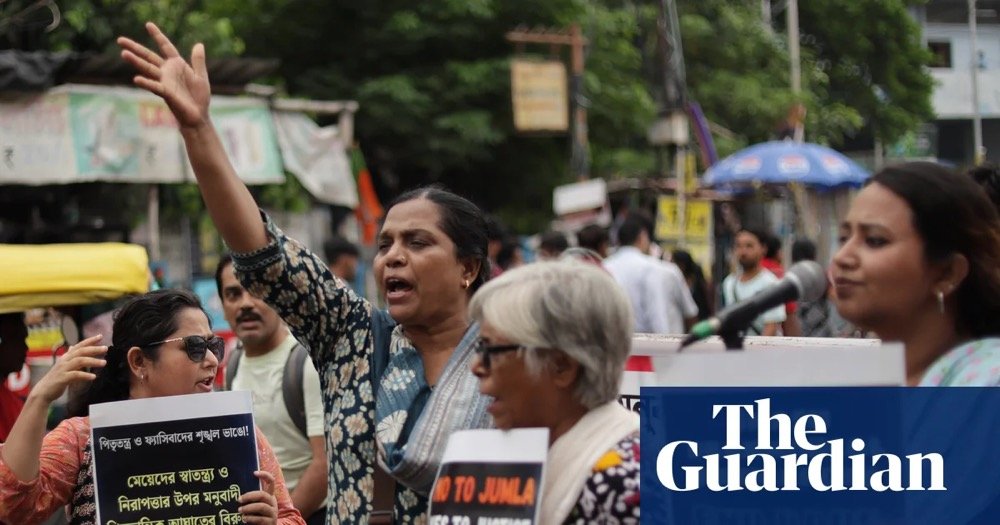
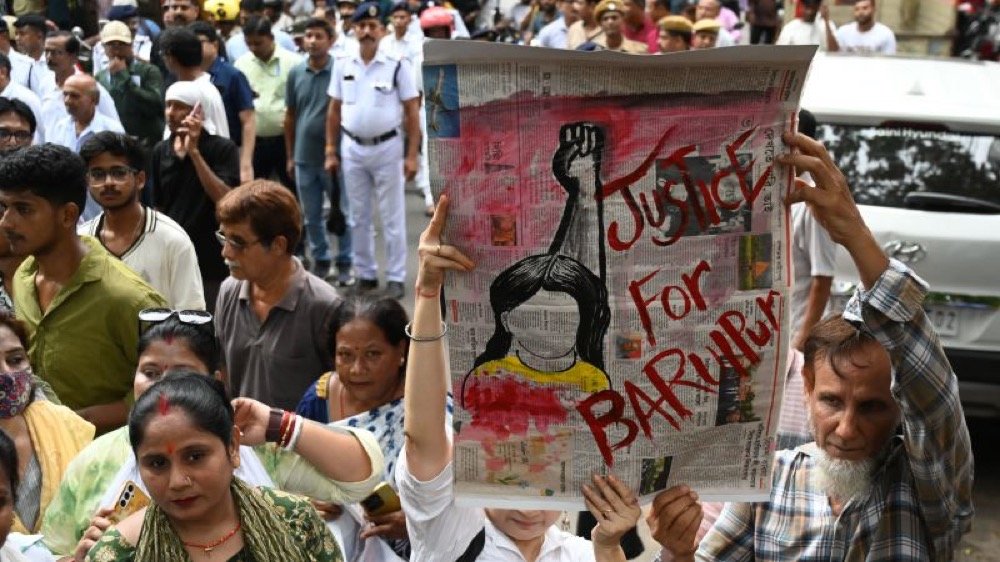
Women Safety and the Struggle for Equality
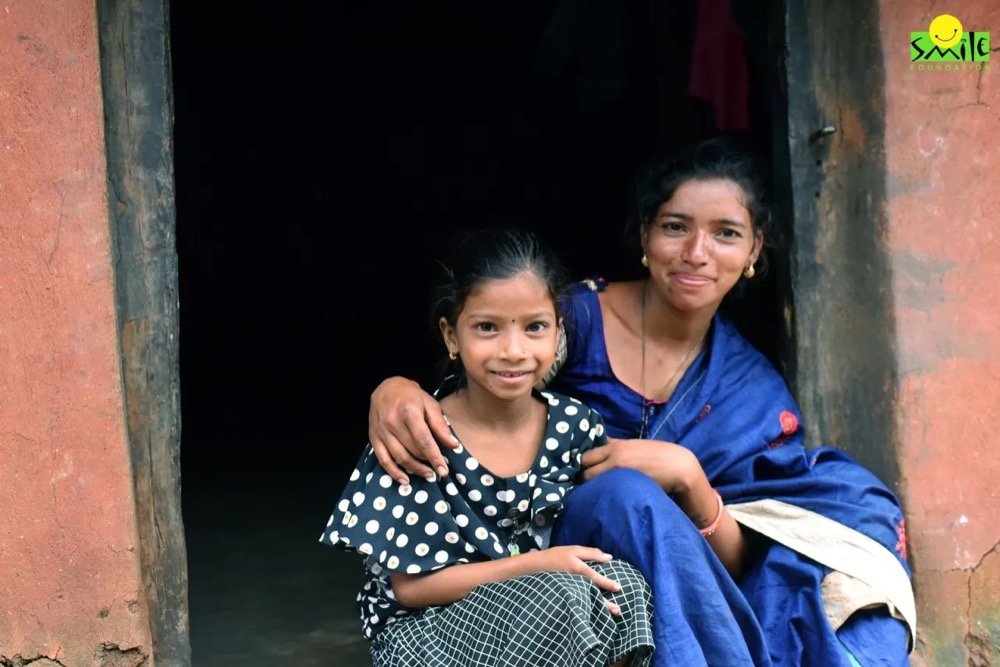
Aadi Foundation’s own summary of a developing story. Read the original report at Smile Foundation ↗
India presents a striking contradiction when it comes to its women. More girls are in classrooms and more women are entering workplaces than ever before, yet violence against them remains stubbornly high. This gap between visible progress and everyday vulnerability sits at the heart of the debate over women's safety, and it suggests that empowerment on paper means little without safety in practice.
Progress shadowed by violence
The advances are real. Women are more educated, more economically active and more publicly present than in previous generations. But official records continue to document hundreds of thousands of crimes against women each year, spanning sexual assault, domestic abuse and harassment. National surveys have found that a substantial share of married women report experiencing violence within the home.
One way to read these figures is as a backlash. As women step into spaces and roles once closed to them, they can encounter resistance rooted in deep-seated patriarchal attitudes. In this view, rising reported violence is not simply a failure of progress but a reaction against it, which is why safety cannot be treated as an afterthought to empowerment.
Why the system falls short
Laws and policies exist, but their impact is blunted by weak enforcement, slow justice and a persistent distance between official intent and ground reality. Cultural norms that limit women's autonomy often outlast the statutes meant to protect them. The result is that legal rights do not automatically translate into lived security, and many women navigate daily life managing risk rather than exercising freedom.
Closing this gap requires treating safety as a non-negotiable foundation rather than a bonus. That means pairing economic and educational programmes with efforts to shift attitudes inside families and communities, building genuine support systems for survivors, and holding institutions accountable for how they respond. It also means seeing women not merely as beneficiaries of welfare schemes but as active agents shaping their own communities.
Why it matters
Safety is the precondition for every other freedom. A woman who cannot move, work or study without fear is not truly empowered, no matter how many opportunities exist on paper. For a country counting on the full participation of half its population, ensuring that women can live free from violence is not a niche social concern but a central question of equality and development. Building that safety demands sustained work across law, education and culture at once, so that progress in one area is not quietly undone by insecurity in another.
Original reporting
Smile Foundation — read the full report
Aadi Foundation Newsroom
Curated and summarised by Aadi Foundation, a youth-led NGO raising awareness on the issues shaping India and the world. Learn about our work →
Turn awareness into action
Support our work, or start something of your own.